South African health authorities have confirmed hantavirus infection linked to passengers from the international cruise ship MV Hondius. The outbreak occurred during a voyage from Ushuaia, Argentina, through the South Atlantic. WHO reported 7 cases as of 4 May 2026: 2 confirmed, 5 suspected, 3 deaths, 1 critically ill patient, and 3 mild cases (who.int).
Two affected passengers passed through South Africa: one passenger died after arrival in Johannesburg, and another was medically evacuated to South Africa and remains critically ill in ICU isolation. The Department of Health, NICD and Gauteng health authorities are conducting contact tracing.
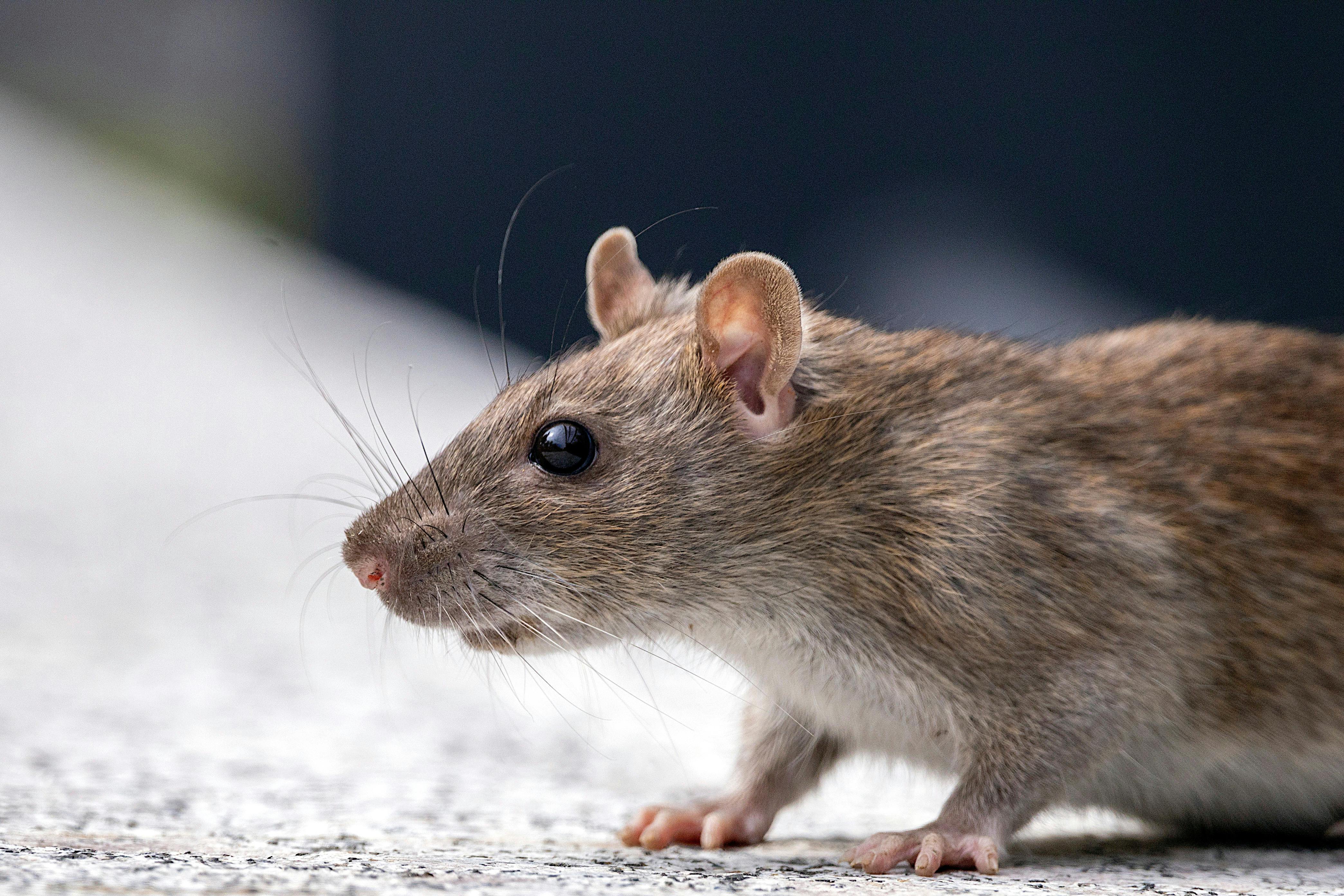
Hantaviruses are viruses carried mainly by rodents. People are usually infected by breathing in dust contaminated with infected rodent urine, droppings or saliva, or by touching contaminated materials and then touching the face.
Most hantaviruses do not spread easily from person to person. However, the Andes strain, linked to this outbreak, has rarely caused limited person-to-person spread after close and prolonged contact. This is important: it means the risk of onward spread is very low.
Symptoms may appear 1–8 weeks after exposure, usually around 2–4 weeks. Early symptoms include high fever and chills (a key feature), headache, muscle aches, nausea, vomiting, diarrhoea or abdominal pain. Severe illness can progress rapidly to pneumonia, breathing difficulty, low blood pressure and shock.
There is no specific antiviral treatment or routine vaccine for hantavirus. Treatment is supportive, especially early referral to a hospital with ICU capability if breathing problems develop. Care may include oxygen, ventilation support, careful fluid management and blood pressure support.
For most South African workers, ordinary workplace hygiene is sufficient. Avoid contact with rodents and rodent-contaminated areas. Do not dry-sweep rodent droppings or dusty rodent-infested areas; ventilate the area, wet-clean carefully, and use appropriate PPE where rodent contamination is suspected. Store food securely, keep workplaces clean, and report rodent infestations for proper pest control.
WHO specifically advises avoiding dry sweeping, improving ventilation, hand hygiene and active symptom monitoring after relevant exposure.
Note that:
So: